
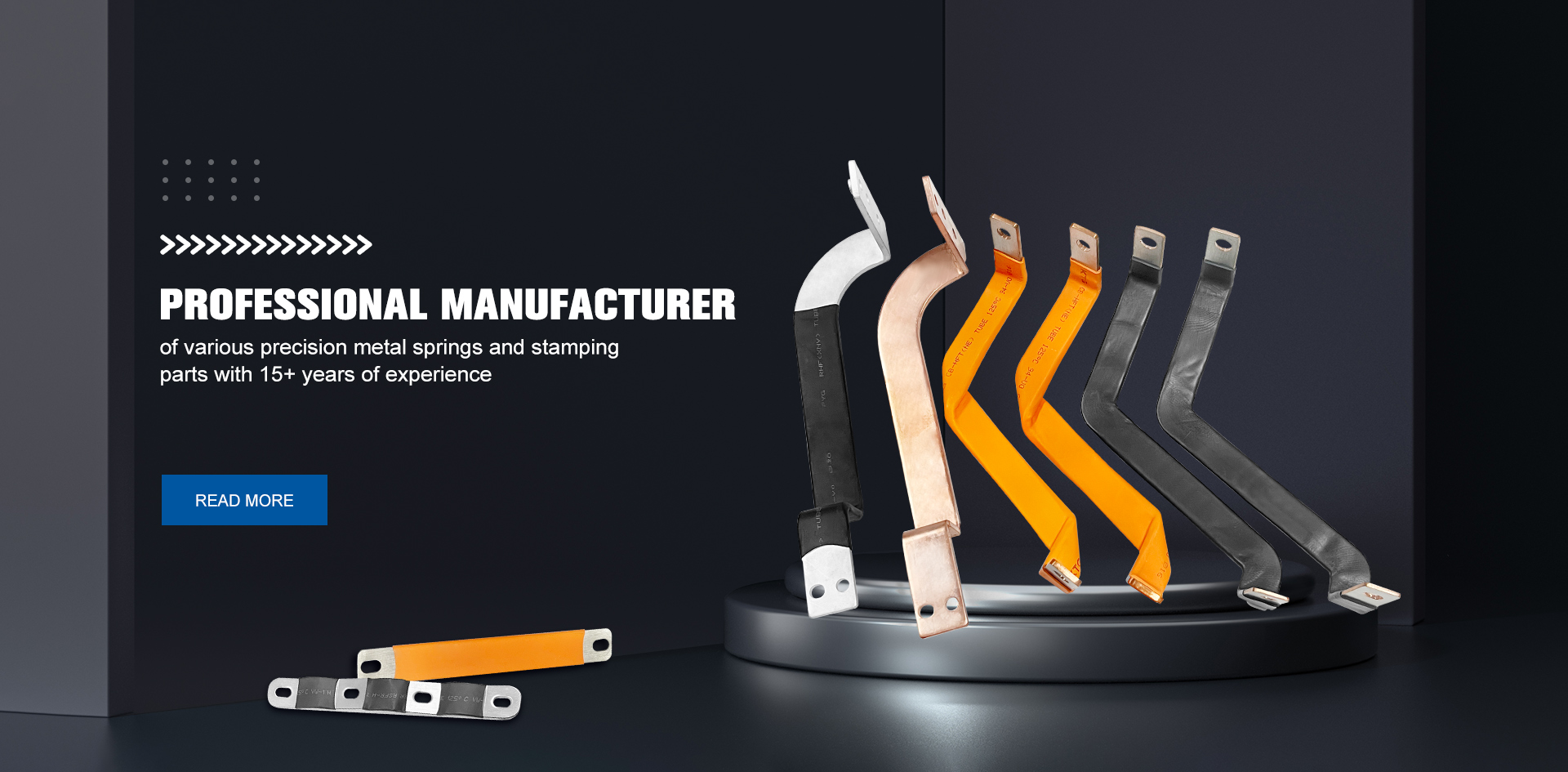
Wholesale Battery Cable Terminals from Leading Manufacturers
When I think about sourcing reliable Battery Cable Terminals, I know the importance of quality and durability. As I navigate the wholesale market, I prioritize manufacturers who offer robust products that meet industry standards. These terminals are essential for ensuring solid connections and optimal performance in various applications, from automotive to industrial settings. I appreciate that my suppliers provide a range of options, catering to different needs and specifications. Whether I need copper, aluminum, or other materials, I find that partnering with reputable manufacturers gives me peace of mind regarding product integrity. In the competitive landscape of B2B procurement, having access to wholesale pricing on top-of-the-line Battery Cable Terminals is a game changer. I always look for suppliers who understand my requirements and can deliver timely, efficient service. With the right partnership, I can ensure my projects run smoothly, knowing my connections are secure and dependable.

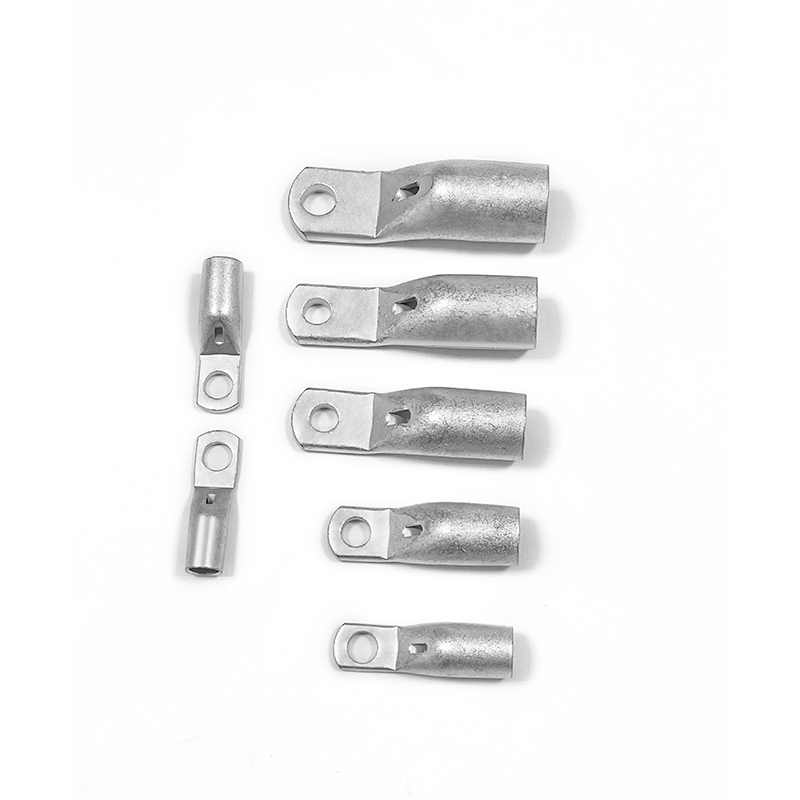


Battery Cable Terminals Guarantees Peak Performance Custom Solutions,
When it comes to battery cable terminals, achieving peak performance is essential for both safety and efficiency in various applications. High-quality battery cable terminals are designed to provide a secure and reliable connection, ensuring optimal conductivity and minimizing voltage drop. This guarantees that power is efficiently transmitted, preventing potential issues that could arise from poor connections such as overheating and increased resistance. Custom solutions play a critical role in meeting the unique needs of different industries. With advancements in manufacturing techniques, we can now offer tailor-made terminals that fit specific requirements, whether for automotive, marine, or renewable energy applications. By choosing custom-designed battery cable terminals, procurement professionals can ensure not only compatibility with existing systems but also enhance overall performance. This level of customization ensures that clients receive an efficient, durable product tailored to their operational needs, ultimately leading to improved reliability and longevity in their applications. Investing in high-quality, tailored battery cable terminals is a strategic move for global purchasers aiming to enhance their operational efficiency. By prioritizing customization and performance, companies can safeguard their investments in technology, reduce maintenance costs, and promote sustainability. As demand for reliable energy solutions grows, the importance of robust battery cable terminals cannot be overstated. Businesses could benefit significantly from collaborative engineering to develop the ideal solution that meets their specific needs.
Battery Cable Terminals Guarantees Peak Performance Custom Solutions
| Terminal Type | Material | Current Rating (Amps) | Connector Size (AWG) | Custom Options |
|---|---|---|---|---|
| Ring Terminal | Copper | 200 | 4 AWG | Color Coding, Size Variation |
| Flag Terminal | Brass | 150 | 6 AWG | Custom Insulation Options |
| Battery Post Terminal | Tin-Plated Copper | 100 | 2 AWG | Personalized Engravings |
| Push-On Terminal | Aluminum | 75 | 8 AWG | Coating Options Available |
Related Products


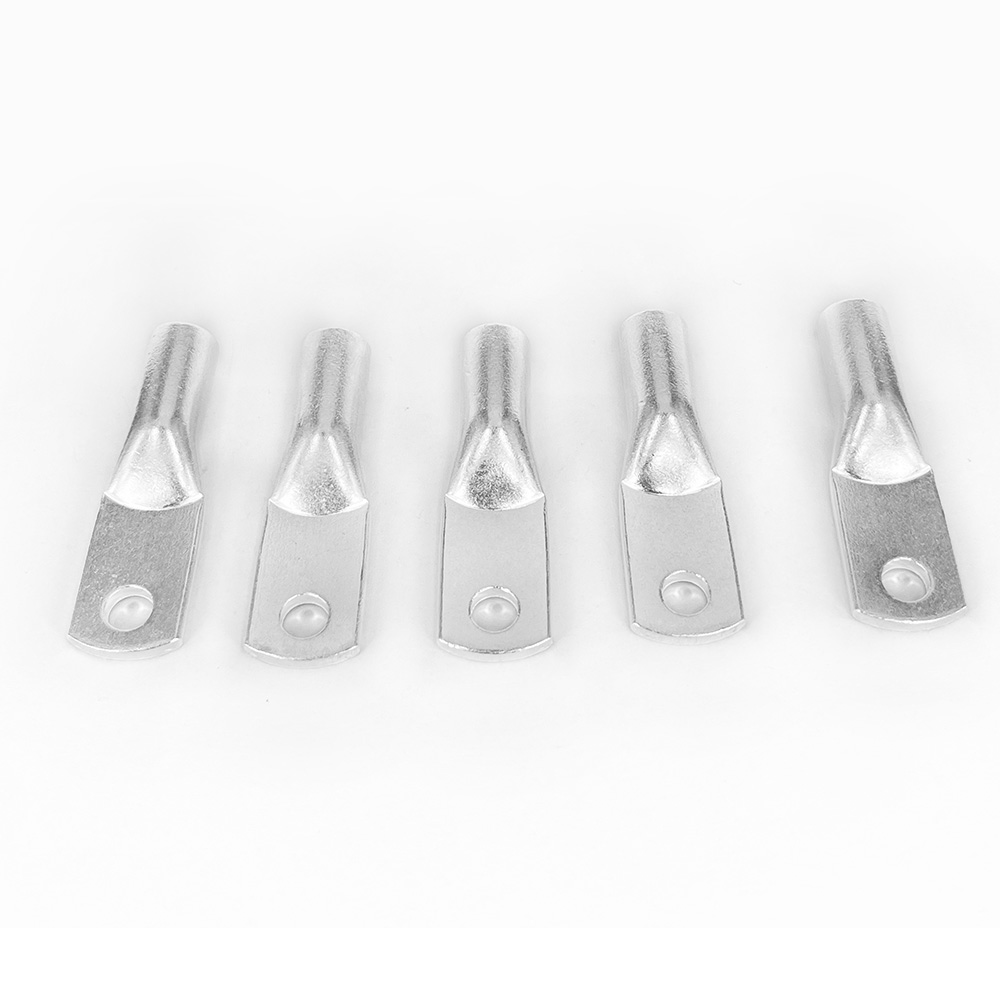


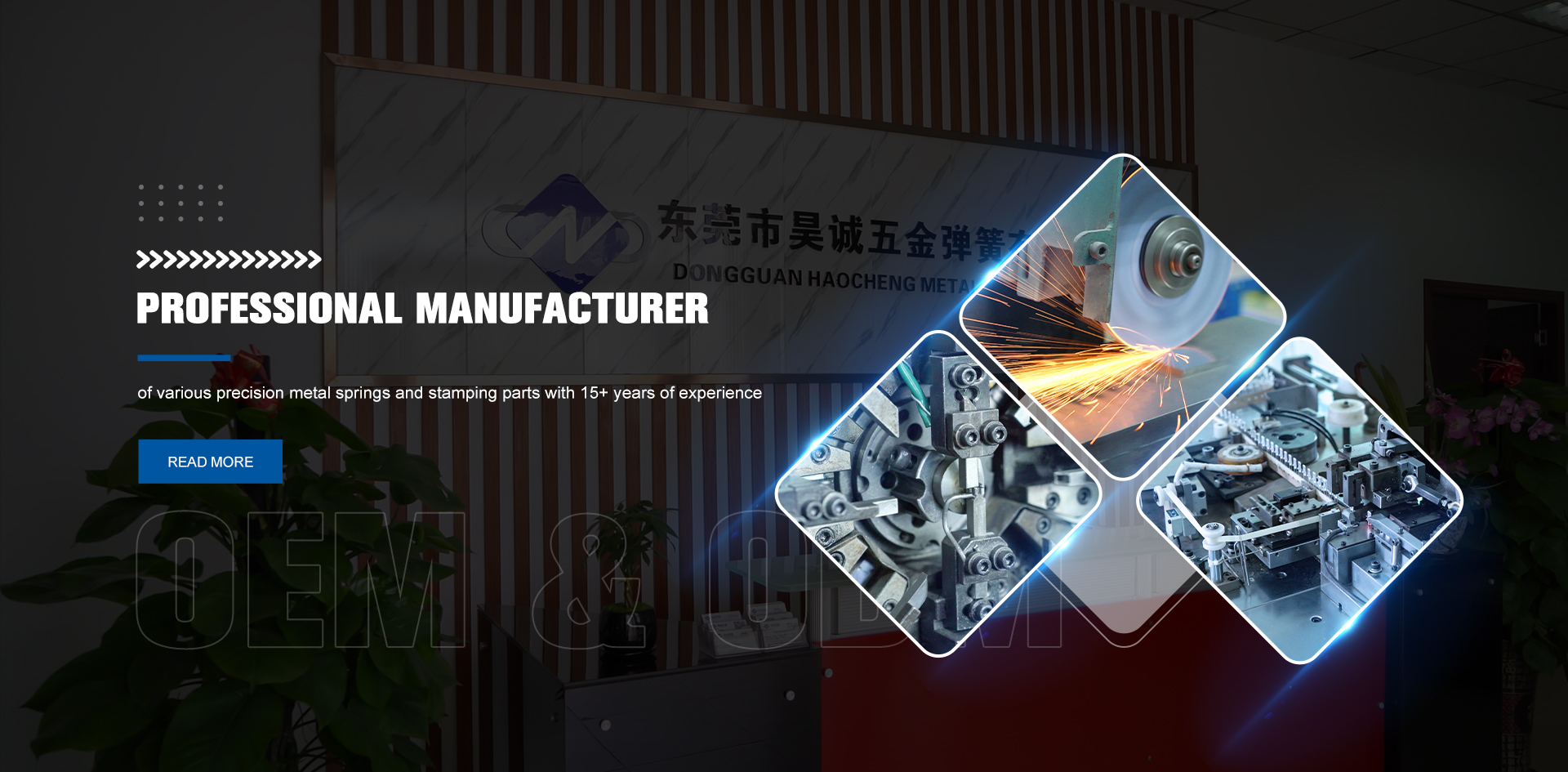
Battery Cable Terminals Trusted by Pros Your Trusted OEM Partner
Top Selling Products


- Related Blog
- Reviews


