
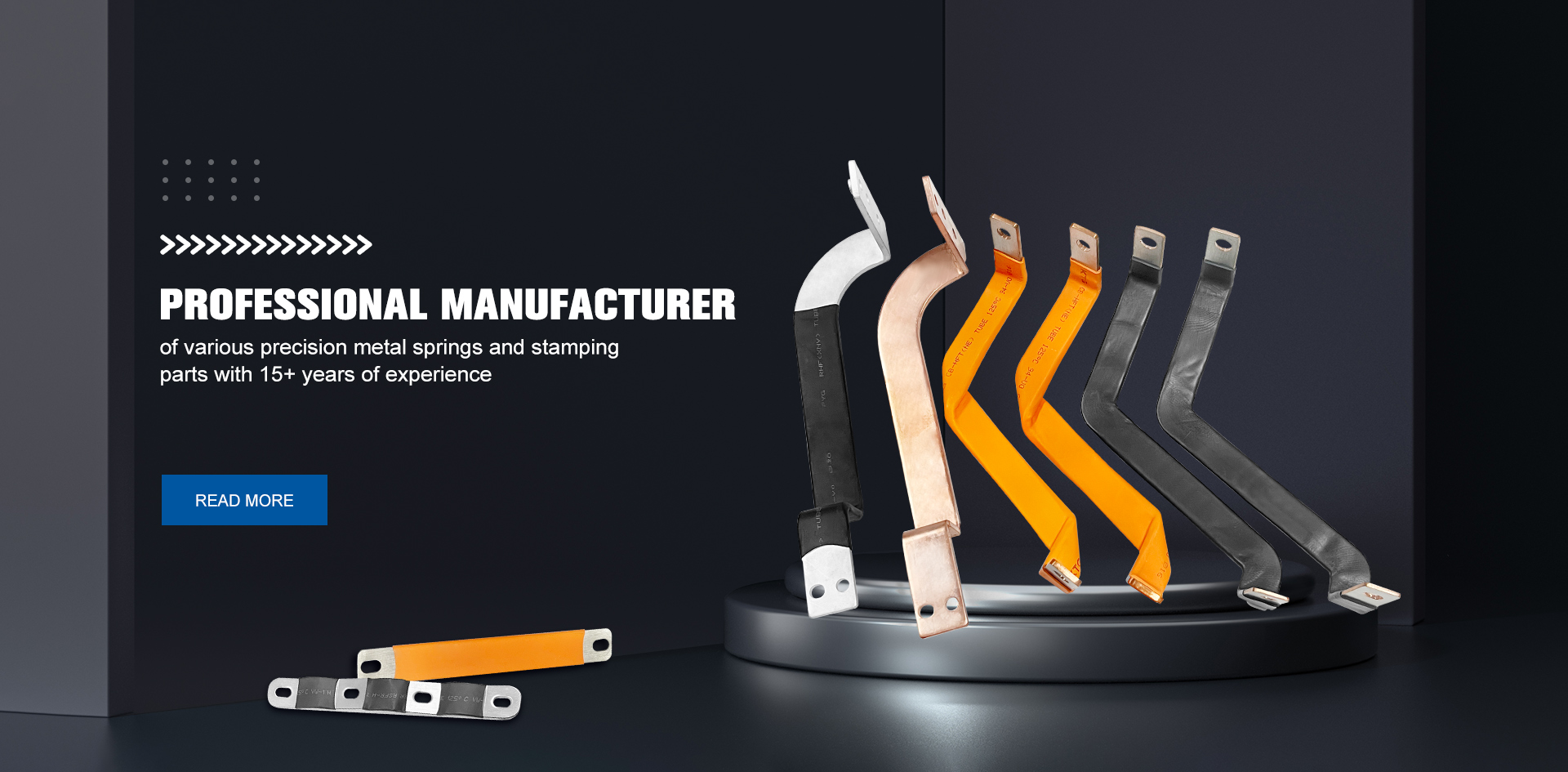
Extra-Grip Battery Terminal Lugs from Leading China Manufacturer
I offer high-quality Extra-Grip Battery Terminal Lugs, perfect for your needs. Sourced from reputable manufacturers in China, these lugs are designed to provide a secure connection, enhancing the reliability and performance of your electrical systems. Whether you’re in automotive, marine, or industrial applications, these terminal lugs ensure a tight fit and optimal conductivity. Our products are built with durability in mind, making them resistant to corrosion and wear, so you can trust them to last under various conditions. With an easy installation process, these battery terminal lugs are a practical choice for any project. When you choose us, you're not just purchasing components; you're investing in quality and performance that meets your expectations. Our competitive pricing and commitment to customer satisfaction make us an ideal partner for your sourcing needs. Don’t hesitate to reach out for more information on how our Extra-Grip Battery Terminal Lugs can enhance your business.


Extra-Grip Battery Terminal Lugs Application Industry Leaders
When it comes to energy solutions, the importance of reliable connections cannot be overstated. Extra-grip battery terminal lugs have become a staple in various industries due to their exceptional durability and performance. These connectors play a vital role in ensuring uninterrupted power flow, especially in demanding environments such as automotive, renewable energy, and heavy machinery applications. Industry leaders prioritize quality and reliability in their components, making the selection of the right battery terminal lugs crucial for operational efficiency. In an age where innovation drives market competitiveness, manufacturers of extra-grip battery terminal lugs are focused on developing products that meet the highest industry standards. With an emphasis on materials that resist corrosion and wear, they enhance the longevity of connections. Additionally, these lugs often feature ergonomic designs that simplify installation and maintenance, which is a significant advantage for both manufacturers and end-users alike. As global procurement shifts towards sustainable and resilient solutions, the demand for high-quality battery terminal lugs continues to rise. Purchasing from reputable manufacturers ensures that businesses can maintain their operational integrity while keeping pace with technological advancements. Selecting the right supplier can empower companies to optimize their performance, reduce downtime, and ultimately gain a competitive edge in the marketplace. Making informed choices in component selection is essential for meeting the increasing demands of today’s industries.
Extra-Grip Battery Terminal Lugs Application Industry Leaders
| Application | Material | Connector Type | Temperature Range | Current Rating |
|---|---|---|---|---|
| Automotive | Copper | Ring Terminal | -40°C to 150°C | 100A |
| Marine | Tinned Copper | Stud Terminal | -30°C to 120°C | 150A |
| Industrial | Aluminum | Flat Terminal | -20°C to 90°C | 75A |
| RV | Copper Alloy | Compression Connector | -40°C to 100°C | 200A |
| Telecommunications | Plated Copper | Female Terminal | -10°C to 85°C | 50A |
Related Products


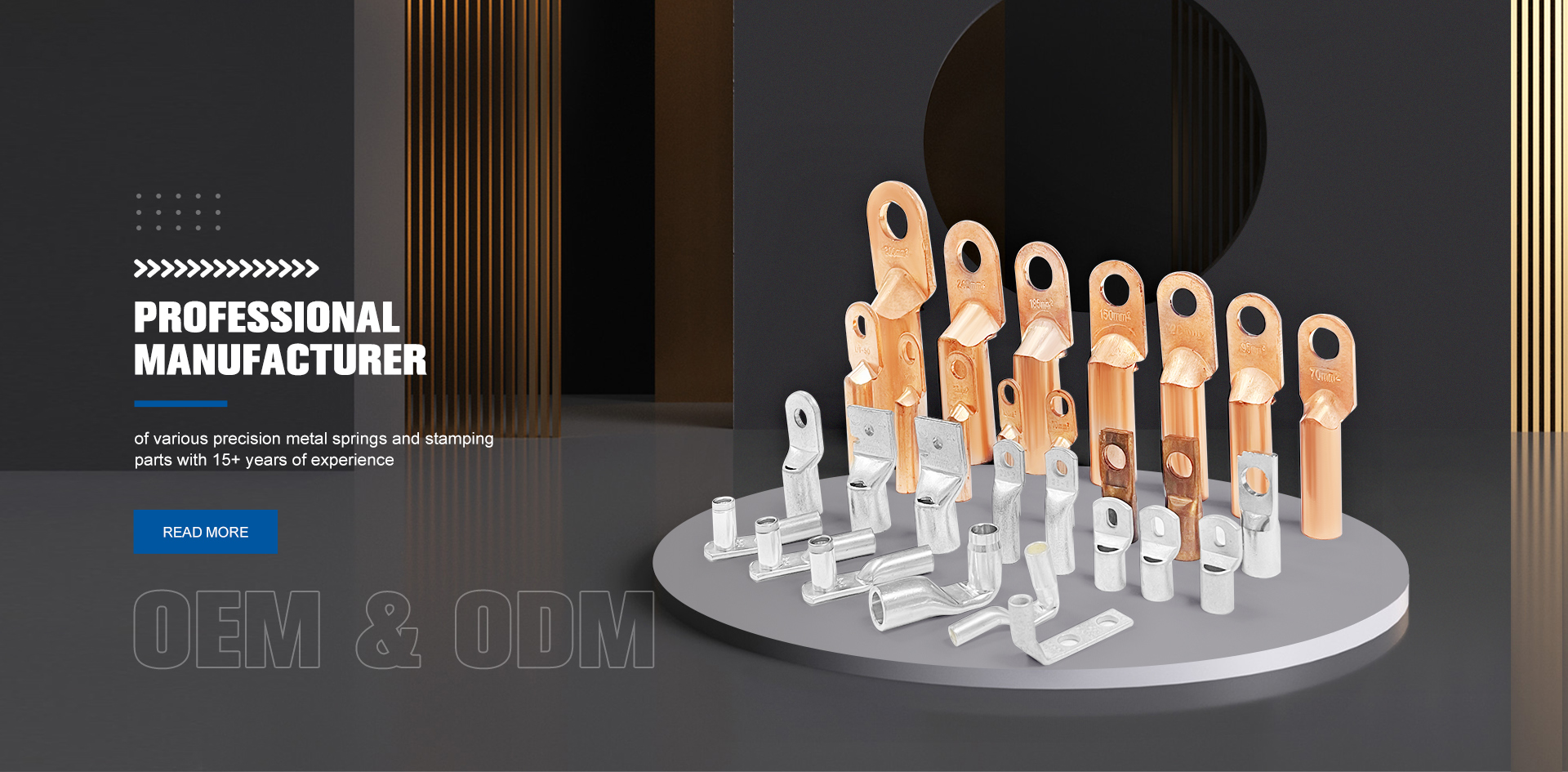
Extra-Grip Battery Terminal Lugs Manufacturer Sets the Industry Standard
Top Selling Products


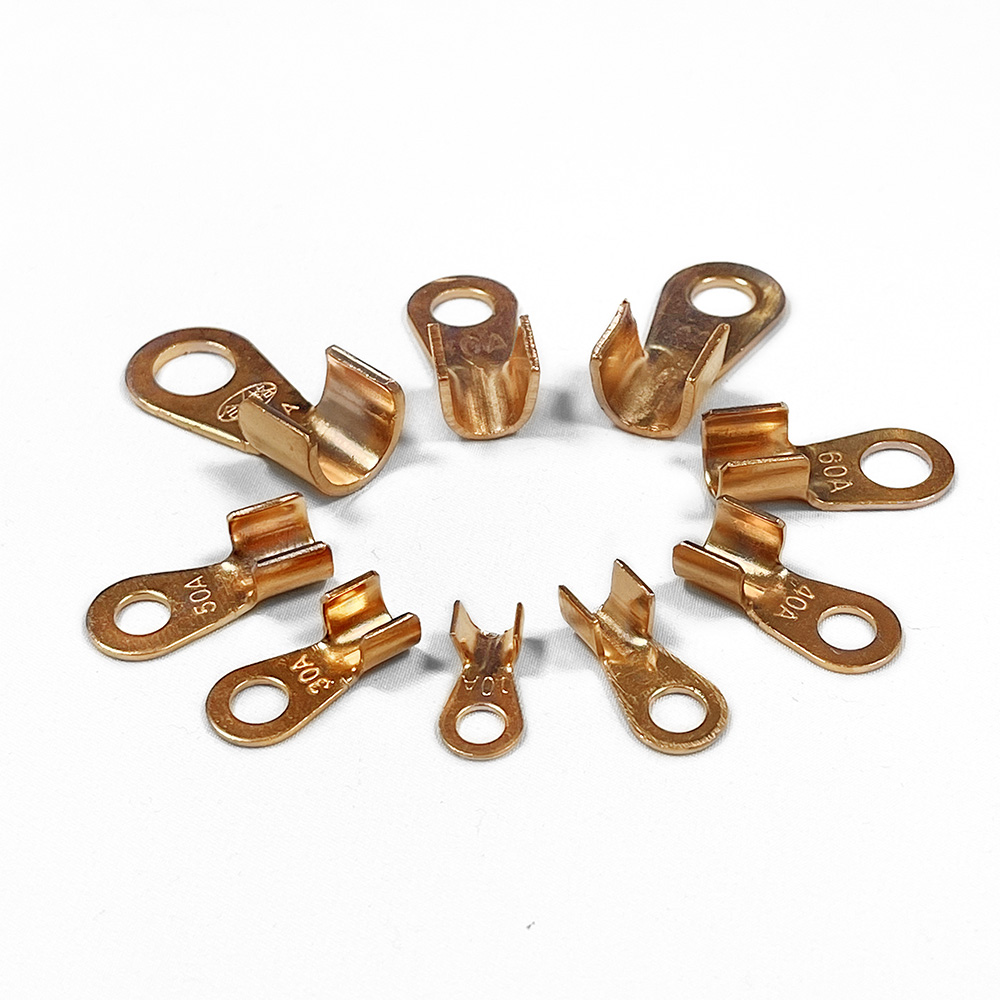


- Related Blog
- Reviews


